Barion Pixel

The Hungarian Heartbeat Decree – The Ethics of a Misunderstood Ordinance

The fetal heartbeat regulation has become the subject of intense public debate. Our study examines the regulation from ethical, bioethical, and public policy perspectives, exploring its practical operation, its effects, and the validity of the professional and political debates surrounding it.

The Axioma Center’s study examines Ministry of the Interior Decree 29/2022 (IX. 12.) – commonly known as the “heartbeat decree” – from ethical, bioethical and public policy perspectives. The study seeks to assess how the regulation operates in practice, evaluate its effects, and examine the merits of the professional and political debates surrounding it.
Wael Taji, Senior Research Fellow and author of the study, argues that, regardless of the legislature’s original intent, the decree does not function as an abortion restriction and does not limit women’s access to abortion. Rather, it serves as a behavioral public policy tool – a “nudge” – designed to provide women seeking an abortion with more comprehensive, higher-quality medical information about the developing life in their womb, consistent with the principle of informed consent. The study also argues that
the decree has already helped save lives and recommends that the Tisza government retain the regulation.
At the same time, it emphasizes that there is currently insufficient empirical evidence to draw firm conclusions about the decree’s long-term effects.
The heartbeat decree amended Hungary’s abortion regulations by requiring physicians to present clear evidence of fetal vital signs to pregnant women seeking an abortion. Drawing on insights from behavioral science, bioethics and international legal precedents, the study analyzes the regulation and evaluates the principal bioethical, safety-related and political objections raised against it. Particular attention is given to the relationship between the decree and the debates that followed the change in government, as well as to the need for a comprehensive analysis of existing public health data before any decision is made to repeal the regulation.

More research

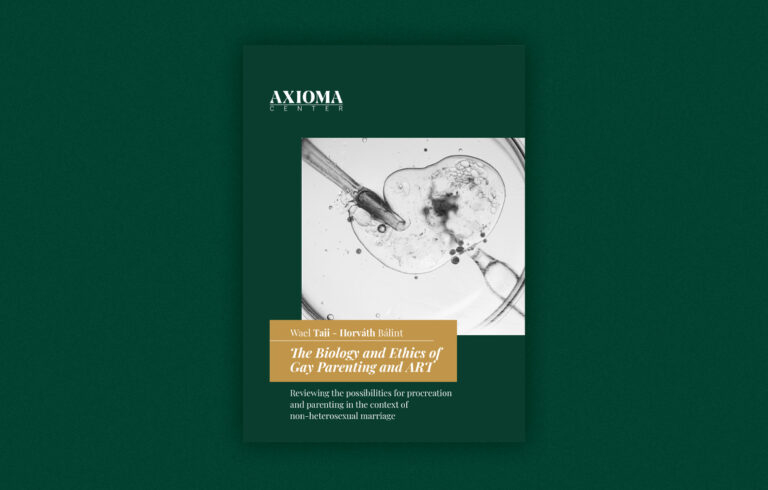
The Biology and Ethics of Gay Parenting and ART

What does the legalization of same-sex marriage require from lawmakers once parental rights are extended beyond heterosexual couples? This research paper examines the psychological, biological, legal, and ethical implications of same-sex parenting, with particular attention to adoption and assisted reproductive technologies.
Read More

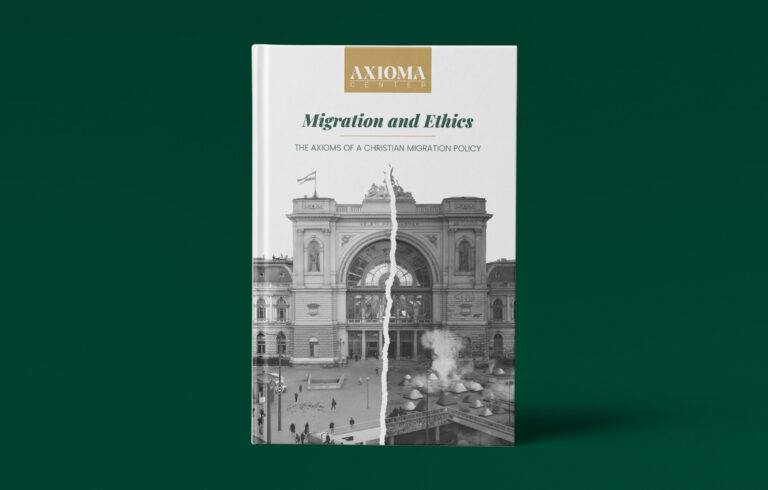
Migration and Ethics – The Axioms of a Christian Migration Policy

How should historically Christian nations respond to the challenges of mass migration in an increasingly unstable and interconnected world? This white paper offers analysis guided by Christian principles and practical, ethically grounded solutions that uphold human dignity, the common good, and thriving communities.
Read More

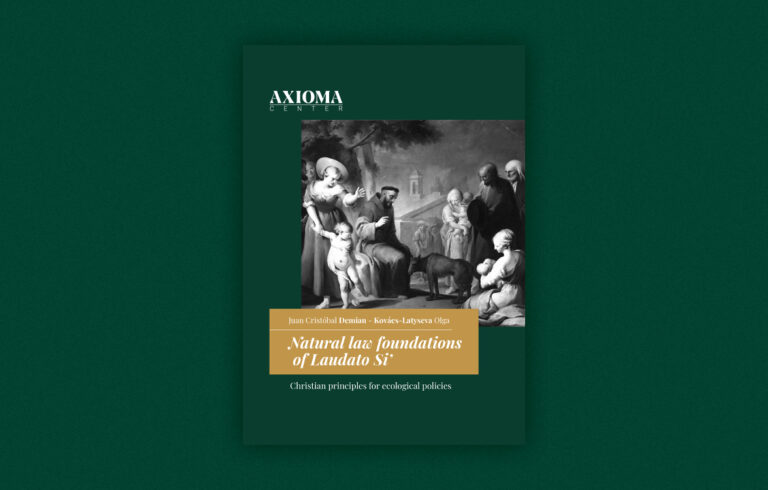
Natural Law Foundations of Laudato Si’ – Christian Principles for Ecological Policies

How should Christians care for creation without losing their theological foundations? This research paper reclaims Laudato Si’ through natural law, imago Dei, and Christian stewardship, offering a faithful alternative to both ecological reductionism and ideological environmentalism.

Read More